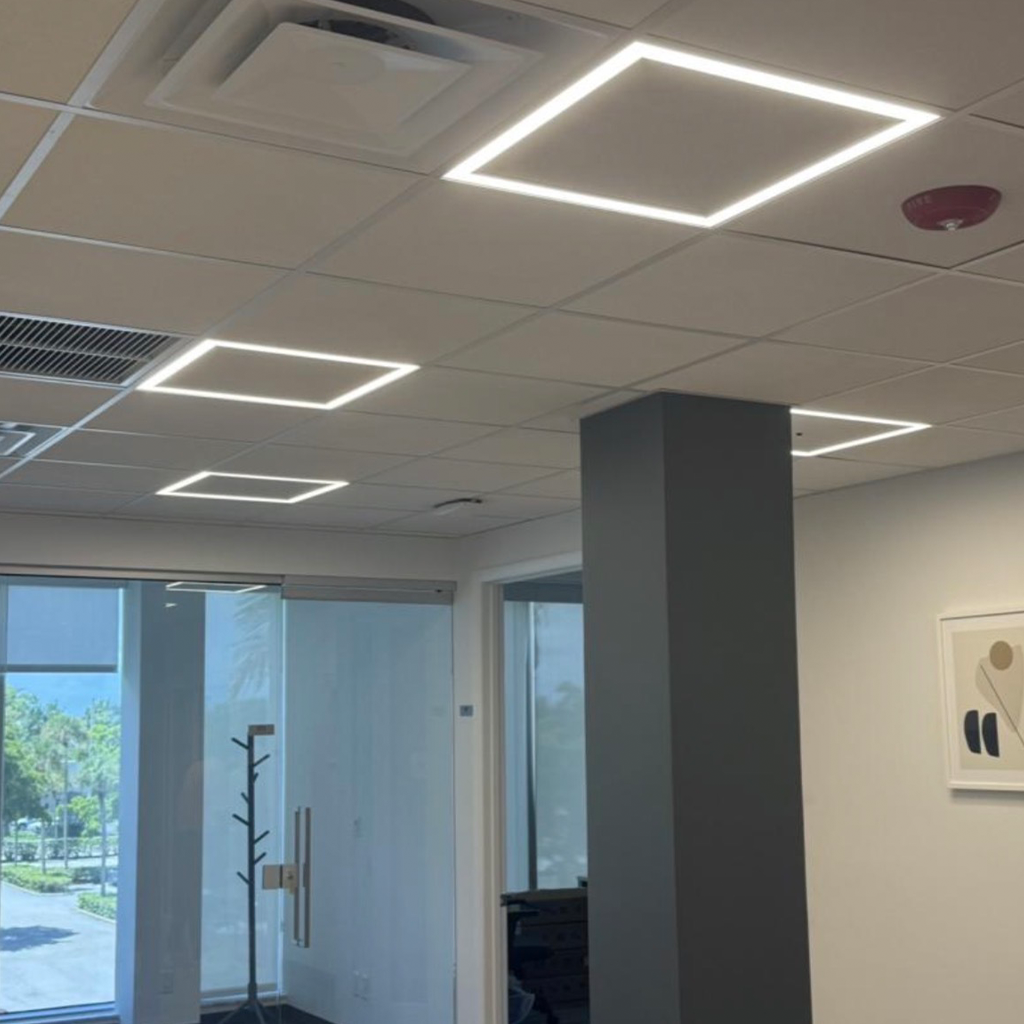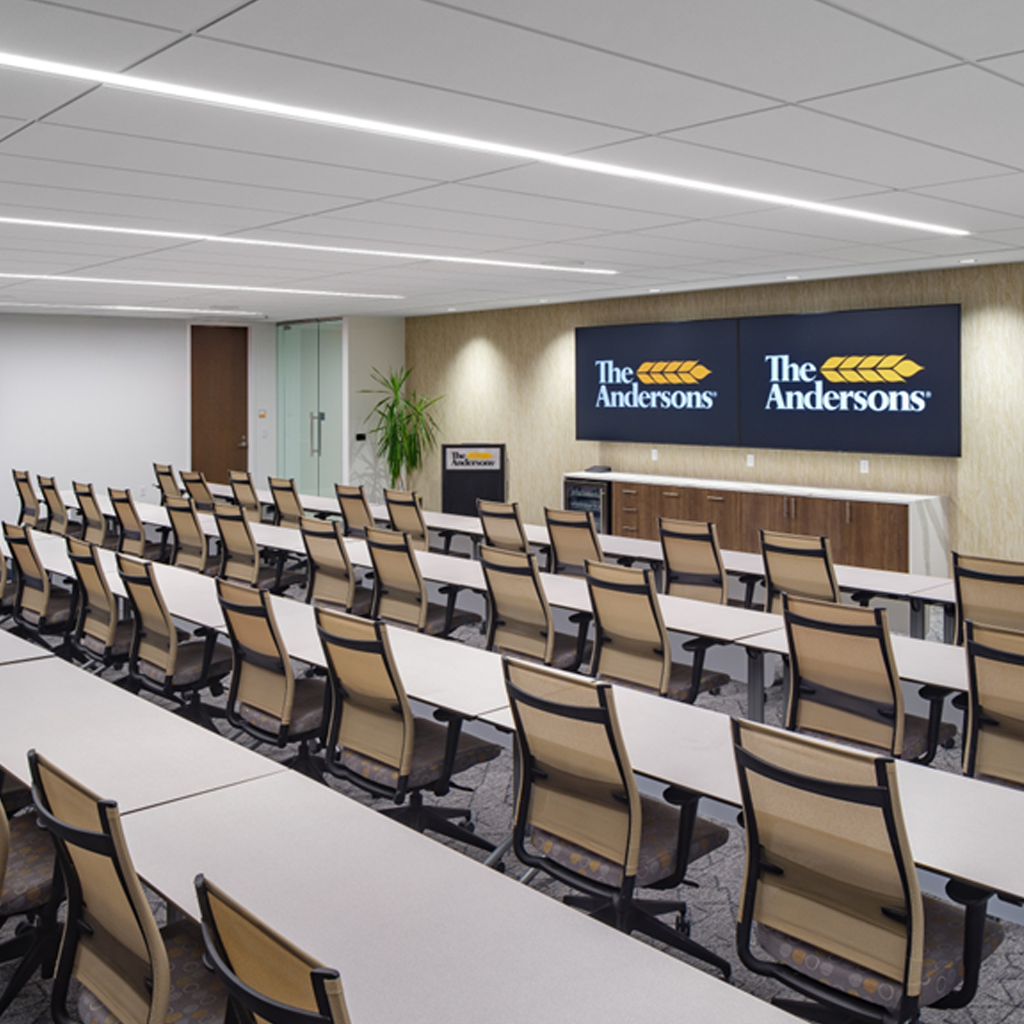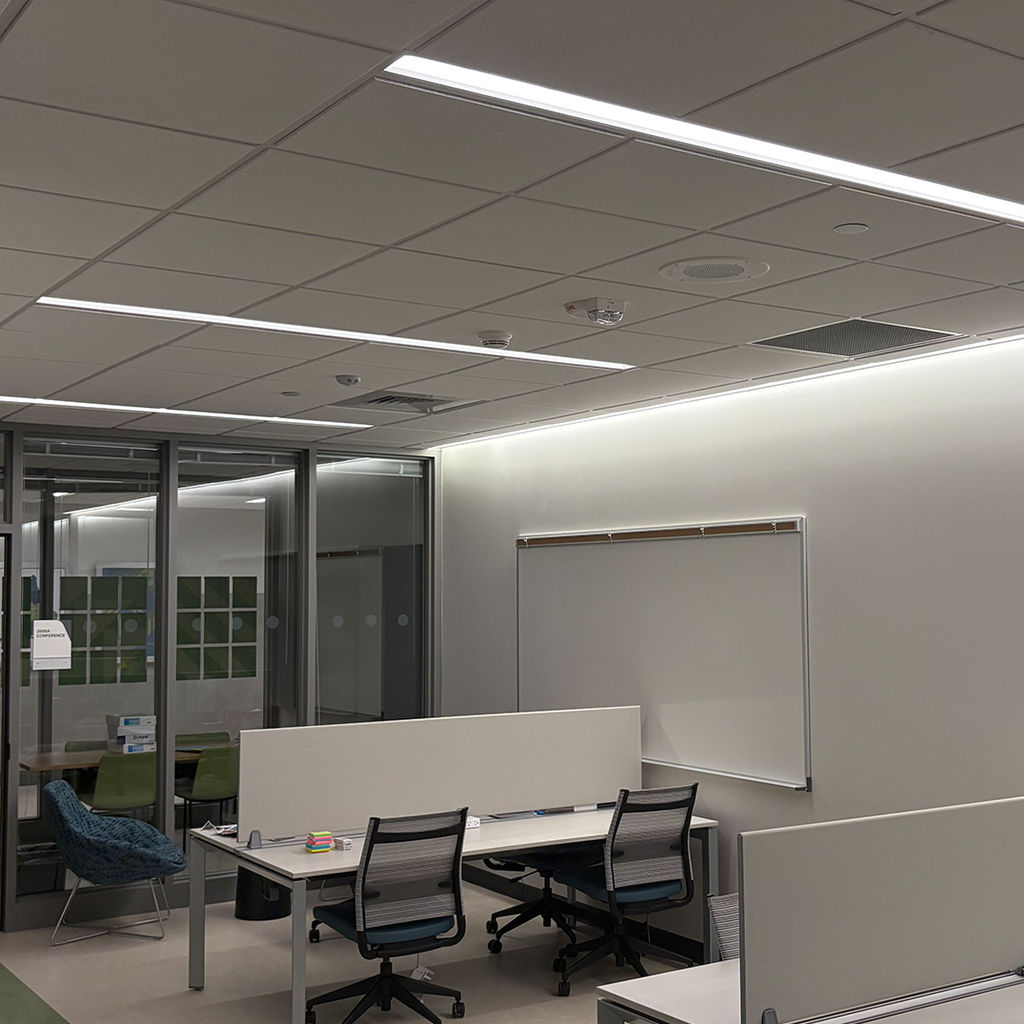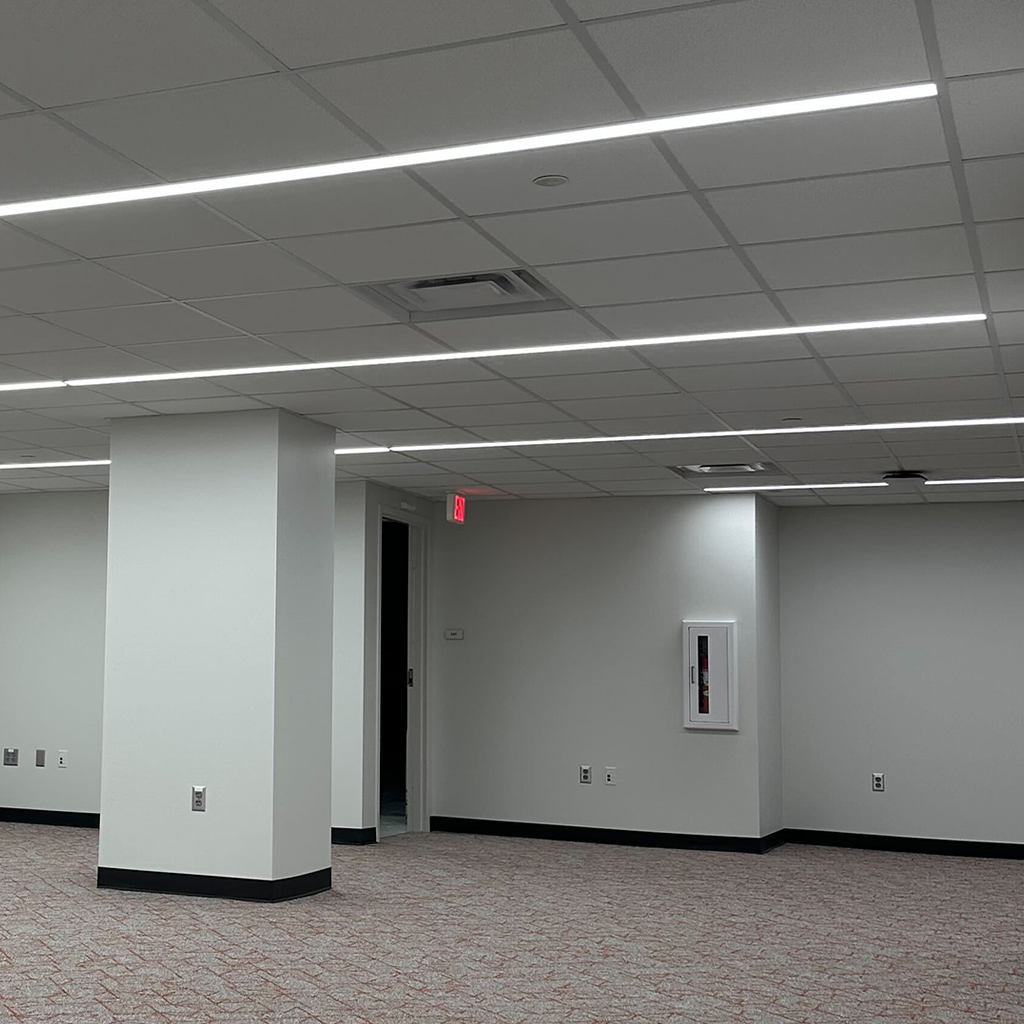


FlexGrid® lighting products contain a range of patented innovations and are supported by a family of wired and wireless control options, sensors and accessories.

T-Bar Replacements
Replacement for typical 9/16″, 15/16″ & 1.50″ T-Bar elements in grid ceilings.
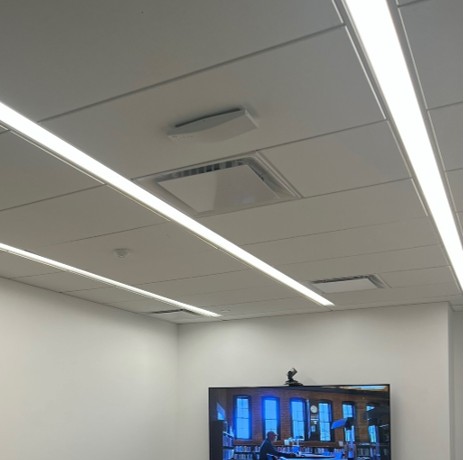
In-Grid Linears
Linear lighting in widths of 1″ to 6″ and less than the height of a T-Bar.
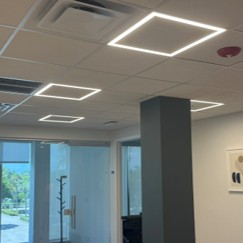
In-Grid Shapes
Pre-fabricated shapes and frames designed to fit perfectly into TBar ceilings
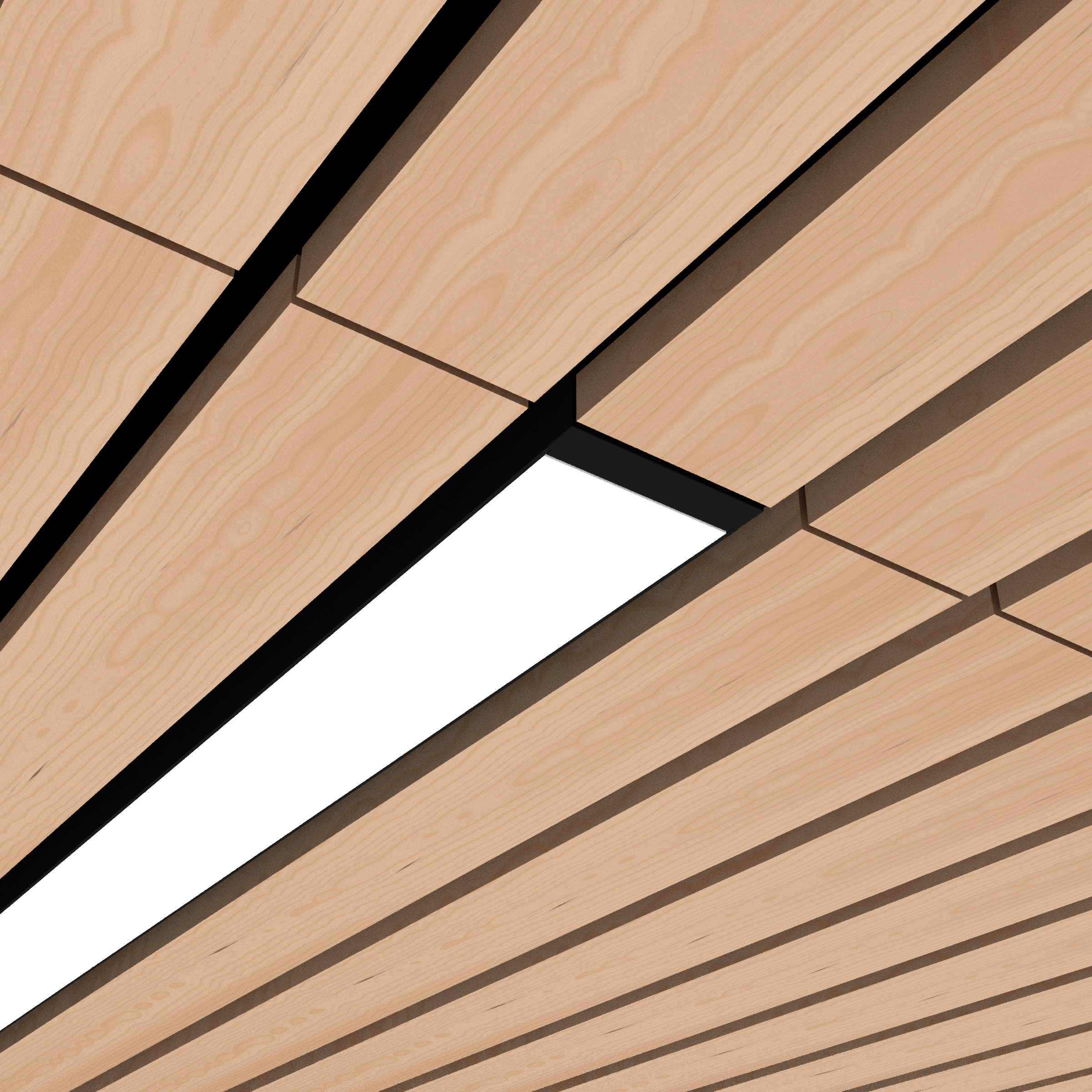
Armstrong WoodWorks™
Low profile surface mount fixtures to mount to underside of TBar ceilings
Unique Features & Patented Innovations


Designed & Built In Boston USA
At FlexGrid® we believe that the best, most sustainably built, lighting products need control of the underlying technologies and manufacturing processes. In order to best serve the lighting design community we have partnered with Fusion Optix, an its industry leading platform of optical technologies and in-house manufacturing capabilities
All FlexGrid® products are Red List Free and Declare compliant.


Solutions & Applications
FlexGrid® products have been designed for a range of different specification-led built environments, including offices, classrooms, hospitals, data centers and retail settings.